


Your website serves as your online storefront, representing your brand and helping to foster customer trust. Without robust security measures, your site is vulnerable to cyberattacks that could compromise both your data and reputation. A regular WordPress security audit is essential, as it helps uncover potential vulnerabilities before they can be exploited.
This guide will walk you through a comprehensive WordPress security checklist to fortify your website’s defenses, allowing you to safeguard your website and maintain your visitors’ confidence.
What is a WordPress Security Audit?
A WordPress security audit is a meticulous examination of your website’s entire security framework. This process involves evaluating all aspects of your site’s security measures, configurations, and active protocols to detect potential weaknesses that malicious entities could exploit.

By conducting a site audit, you essentially perform a health check for your website, ensuring that it remains robust against attacks. The site audit process helps you spot weaknesses and vulnerabilities before they become problems. This allows you to take preemptive action to mitigate risks and ensure the integrity and safety of your site.
Why Perform a WordPress Security Audit?
Performing regular security audits is vital for maintaining the safety and reliability of your WordPress website. These audits allow you to uncover vulnerabilities that might not be obvious at first glance. By identifying and addressing these weaknesses early, you can prevent data breaches and other security incidents that could harm your site and reputation.
Additionally, regular audits ensure that your existing security measures function correctly and protect your site against evolving cyber threats. By staying proactive, you not only secure your site’s integrity and functionality but also instill confidence in your users about the safety of your online environment.
When to Conduct a WordPress Security Audit
Conducting WordPress security audits should be a regular part of your site maintenance routine. As a best practice, it is advisable to perform an audit at least once every three months. This frequency helps ensure that any new vulnerabilities introduced by updates or changes are promptly identified and addressed.
In addition, if you observe any unusual activity or suspect a security breach, conduct a website security audit immediately to diagnose and resolve potential issues swiftly. For websites dealing with sensitive information or higher stakes, more frequent site audits are recommended to stay ahead of threats and maintain superior website security.
Read: Top WordPress Security Mistakes You Must Avoid
Partnering with a WordPress Security Service Provider: How Can We Help
Partnering with a dedicated WordPress security service provider, like WP Services, can be instrumental in fortifying your site’s defenses. Here’s how our professional website security services can make a difference:

- Free Malware Scan: Take advantage of our complimentary malware scan to identify existing threats and vulnerabilities. We develop an action plan to address identified issues and enhance overall site security.
- Comprehensive Security Audits: We thoroughly assess your website’s security measures, identifying and addressing weaknesses across platforms. After the assessment, you will receive customized recommendations and solutions based on your site’s unique needs and risk profile.
- Expertise and Experience: Our experts specialize in WordPress security and have extensive experience handling diverse and complex threats. They also anticipate potential vulnerabilities and implement strategies promptly to prevent issues before they arise.
- Real-time Monitoring and Threat Detection: Enjoy 24/7 monitoring, where we promptly detect suspicious or malicious activities and mitigate any threats before they impact your site.
- Regular Updates and Maintenance: We ensure your site is always protected by the latest security updates and best practices. You also benefit from our regular scans, which reduce the chances of vulnerabilities appearing due to outdated software or configurations.
- Flexible Website Security Plans: Access comprehensive security services with plans starting as low as $25 per month when billed annually. Choose from various plan options to find the level of security that best suits your needs and budget.
- Incident Response and Recovery: In the event of a security breach, our dedicated team responds immediately and facilitates efficient restoration processes to recover your site’s data and function swiftly post-incident.
Don’t Leave Your Site’s Safety to Chance
Partner with us, a trusted WordPress security service provider, and ensure your site’s security and the safety of your users.
Comprehensive WordPress Website Security Audit Checklist
Regularly conducting a security audit ensures your WordPress site remains secure and resilient against potential threats. Here’s what you need to do to get started.
Evaluate Your Hosting Provider
A secure hosting environment serves as your WordPress site’s first line of defense. Evaluate your hosting provider to ensure that comprehensive security features are in place.
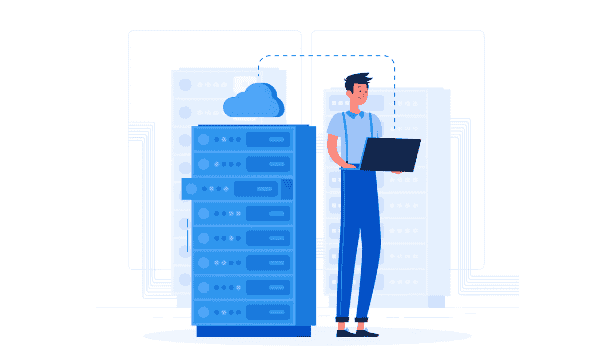
- Daily Backups & Malware Protection: Verify that your hosting service provider offers automatic daily backups and has robust malware protection measures in place to safeguard your data against potential threats.
- Server Security: Ensure that server configurations are both secure and up to date. An updated server environment reduces the attack surface and helps prevent the exploitation of outdated software vulnerabilities.
- Provider Reliability: Assess the reliability of your web hosting provider. If necessary, consider upgrading your web hosting plan or switching to a WordPress hosting provider known for enhanced security features and proactive threat management.
Read: Monthly WordPress Maintenance Plans
Update WordPress Core, Themes, Plugins, and PHP Files
Properly managing WordPress updates is essential to keeping your site secure and efficient. Pay attention to the following elements:
- Version Control: Always keep your core, themes, and WordPress plugins updated to the latest versions. Updates often include critical patches that address recently discovered security vulnerabilities, protecting your site from potential exploits.
- Remove Outdated Software: Identify and uninstall any unused WordPress themes or plugins. This reduces the number of access points for attackers, minimizing potential security risks by limiting the attack surface.
- Functionality Testing: After the updates, thoroughly test your website to ensure all functionalities operate as expected. This step helps identify any incompatibilities or issues that may have arisen during the update process, allowing for timely troubleshooting.
Learn: How to Maximize Your Website’s Performance and Security with a WordPress Retainer Plan
Fortify Login Security
Securing the login process of your WordPress site is critical in preventing unauthorized access and protecting sensitive data. Here’s how you can enhance your login security:

- Brute Force Protection: To guard against brute force attacks, use WordPress security plugins to detect and thwart unauthorized login attempts. This will add an additional layer of protection to your website. Furthermore, implement CAPTCHA to verify user authenticity, and for password security, enable two-factor authentication for extra security during the login process.
- Failed Login Attempt Limits: Restricting the number of allowed login attempts prevents persistent hacking efforts. Configure settings to limit login attempts after a certain number of unsuccessful login attempts. This automatically triggers account lockout after multiple failed tries, which deters cyber attacks.
- Activity Monitoring: Staying informed about login activity can help identify unusual behavior. So, consistently review login attempt records to spot any irregularities or suspicious activity. Also, promptly investigate any signs of unauthorized access attempts to address potential security concerns early on.
Know more: WordPress Emergency Service to Handle a WordPress Site Crash
Review User Accounts and Permissions
Proper management of user accounts and permissions is vital for preventing unauthorized access and changes.
- User Roles: Verify that each user role is appropriately assigned according to their responsibilities. Limit administrative and file permissions to only those who truly need them. This will reduce the risk of accidental or malicious modifications.
- Inactive Accounts: Remove or deactivate user accounts that are no longer active. This will streamline your security measures and diminish potential attack avenues.
Run a Website Security Scan
Regular security scans are critical in identifying and addressing potential threats before they become serious issues. This will help keep your WordPress site secure at all times.
- Malware Detection: Use tools and services like BlogVault to conduct comprehensive scans for malware and vulnerabilities, proactively safeguarding your site against threats.
- Schedule Regular Scans: Establish a routine schedule for running security scans to continuously monitor your site’s health and swiftly address any identified vulnerabilities.
Read about: Key Signs Your Website Needs On Demand WordPress Support Services
Monitor Security Activity
Consistent monitoring of security activities helps maintain awareness of potential threats and swiftly deal with anomalies.
- Security Notifications: Enable security alerts that provide immediate updates when threats are detected, allowing you to react quickly.
- Log Reviews: Regularly check server logs and login activity records for anomalies or suspicious behaviors, ensuring rapid identification and resolution of potential security issues.
Change Database Table Prefix
Altering the default database table prefix can help protect your site from specific vulnerabilities, such as SQL injections.
- SQL Injection Prevention: By default, WordPress uses the table prefix “
wp_“. Changing this to something unique and less predictable adds an additional layer of security. Thus, making it harder for attackers to guess the structure of your database tables and execute SQL injection attacks.
- Backup First: Before making any changes to your database configurations, always perform a comprehensive site backup. This ensures that you can restore your site to its original state if anything goes wrong during the update process, thereby preventing data loss or extended downtime.
Learn: Comprehensive List of WordPress Website Management
Disable File Editing
Taking steps to disable file editing in the dashboard can significantly enhance your site’s security posture.
- Hardening Security: Modify your
wp-config.phpfile to prevent file edits via the WordPress dashboard. By adding the linedefine('DISALLOW_FILE_EDIT', true)you eliminate the risk of attackers or users with admin access making unauthorized changes directly through the dashboard.
- Permission Management: Regularly review and manage file editing permissions to ensure they align with your security needs. Utilize WordPress plugins like File Editor to oversee and control file editing capabilities more effectively, ensuring only authorized personnel can modify essential site files.
Disable PHP Error Reporting
Properly configuring PHP error reporting can protect your site from unintended information disclosure.
- Error Reporting Settings: To prevent PHP errors from being displayed to users, update your
wp-config.phpfile with the following lines:
ini_set('display_errors', 'Off');
ini_set('error_reporting', E_ALL);
define('WP_DEBUG', false);
define('WP_DEBUG_DISPLAY', false);
These settings ensure that error messages are hidden from visitors, thereby protecting sensitive site information from potential attackers.
- Plugin Assistance: Consider using plugins to help manage error reporting. These plugins can offer advanced controls over error logging and reporting, ensuring your site’s error management is both secure and optimized for your specific needs.
Also read: Common WordPress Malware Types and How to Fix Them
Validate Your Backups
Proper backup procedures are essential for recovery in the event of data loss or a site compromise. Here, WordPress backup plugins can be helpful.
- Secure Storage: Store your backups securely, preferably offsite and in encrypted form. This approach reduces the risk of data loss or unauthorized access, providing a reliable safety net for your site’s data.
- Backup Schedule: Regularly review and maintain a consistent backup schedule to ensure that backups occur at regular intervals. Periodically test restoring your site from backups to confirm that the recovery process functions correctly and that backups remain effective.
Review SSL Certificate
SSL certificates are important in securing data transmission between your server and site users.
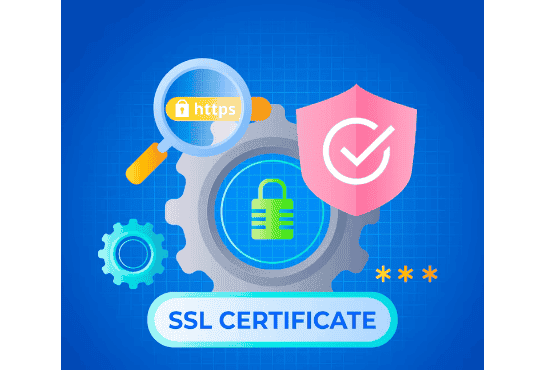
- Data Encryption: Ensure that data exchanges are encrypted using an SSL certificate. This helps protect sensitive information, such as login credentials and personal details, from being intercepted during transmission.
- Setup: Install your SSL certificate via your hosting provider or purchase one from a trusted Certificate Authority. Proper installation is key to avoiding potential security warnings and ensuring that browsers universally view your site as secure.
Firewall Configuration
A well-configured firewall protects your site from malicious traffic and cyber threats.
- Web Application Firewall (WAF): Implement a WAF to actively analyze and filter incoming traffic, blocking malicious requests and safeguarding your site from potential attacks like SQL injections and cross-site scripting (XSS).
- Firewall Monitoring: Ensure your firewall is active and functioning as intended. Review firewall logs periodically to identify and address any potential threats early on.
Continue reading: Essential WordPress Services for Small Businesses
Conclusion: Moving Forward with WordPress Security
In conclusion, regular WordPress security audits are crucial for safeguarding your website, protecting your data, and fostering user trust. To streamline this process, invest in WordPress security services that automate routine checks and keep your defenses robust. Maintaining an updated security audit checklist ensures that you cover all essential aspects of security management.
By actively monitoring and consistently strengthening your security measures, you can effectively deter hackers and maintain a secure online environment. This proactive approach not only safeguards your site but also guarantees that your visitors can interact with it safely and trustworthily.
FAQs About WordPress Security Audit
What is included in a WordPress security audit checklist?
A WordPress security audit checklist reviews core files, themes, plugins, user accounts, login page settings, firewall rules, and wp activity log data. It checks log files, user activity, server level security, malware scanning, vulnerability scanning, and authentication controls. The goal is to detect security flaws, backdoors, and weak entry points.
How do activity logs help improve website security?
An activity log tracks user actions, login credentials, IP addresses, file changes, and wp admin events. It helps site owners identify security threats, brute force attacks, and suspicious connection attempts. Activity logs support compliance, accountability, and faster fixes during the security audit process.
Which security plugins are best for WordPress audits?
Popular security tools like Wordfence and Sucuri offer malware scanner features, website firewall options, and vulnerability scanning. These plugins help monitor core software, block hackers, scan scripts, and protect against cross site scripting and data theft.
How often should businesses run a WordPress security audit?
Businesses should run audits after core updates, traffic spikes, or security issues. Regular checks every few months support security standards, PCI DSS compliance, and malware removal. High traffic websites and WooCommerce stores need more frequent scans.
Can a security audit prevent Google blacklisting and damage?
Yes. A proper audit reduces malware infections, blacklisting risks, and performance drops. Strong firewall rules, SSL verification, backups, and user management protect websites from cybercriminals and long term consequences.

