

In Ceros vs WordPress, which to choose is a common dilemma. However, choosing the right platform for your content strategy is crucial for success. Whether you’re building a business website, an interactive landing page, or a blog, the right platform can make a huge difference.
Ceros and WordPress are two popular choices, each catering to different needs. Ceros is an interactive content creation platform that focuses on design and engagement. Whereas, WordPress is a versatile content management system (CMS) used by millions worldwide.
In this article, we’ll compare Ceros and WordPress based on various factors like design capabilities, SEO, customization, security, and cost. By the end, you’ll clearly understand which platform best suits your needs.
Ceros and WordPress: A Quick Overview
Ceros is a cloud-based content creation platform designed to build interactive and visually engaging experiences without requiring coding knowledge. It is primarily used by marketers, designers, and content creators to develop dynamic web-based content such as infographics, landing pages, digital magazines, and interactive presentations.
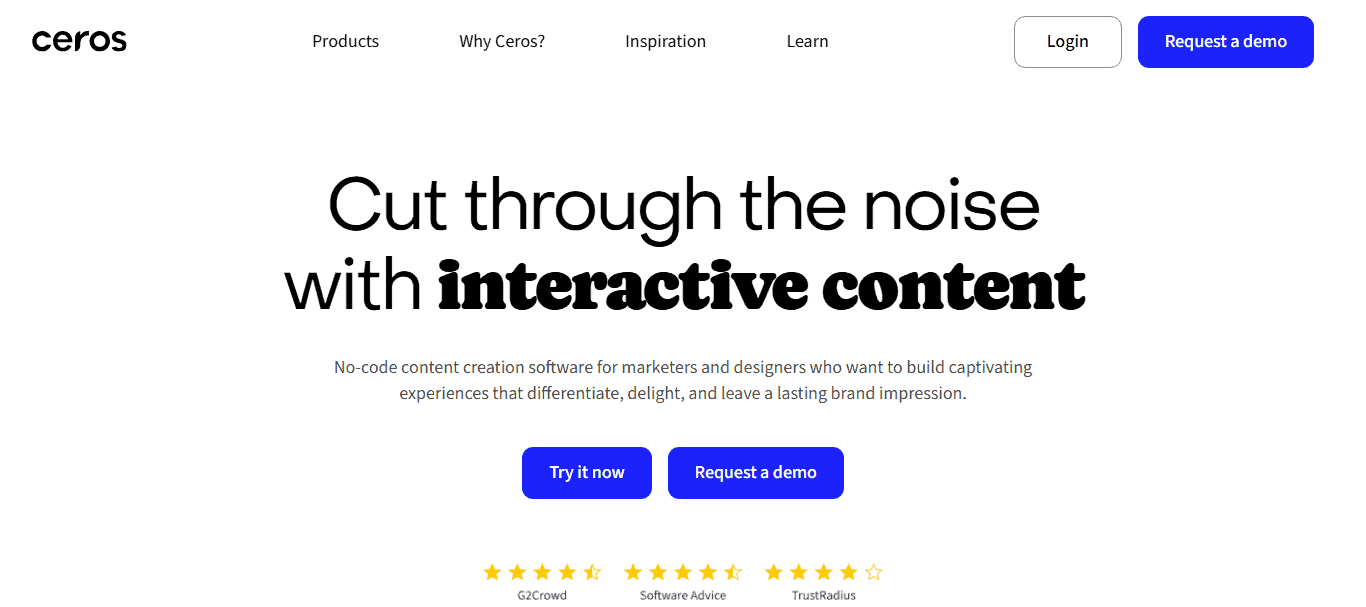
With its drag-and-drop editor, users can easily add animations, videos, and custom graphics, making it an excellent choice for storytelling and immersive brand experiences. However, while Ceros excels in design and engagement, it lacks the flexibility and functionality needed for full website development.
WordPress is a powerful and widely used content management system (CMS) that enables users to create and manage various types of websites, including blogs, professional websites, and online stores. It offers extensive customization through free & premium themes and plugins.
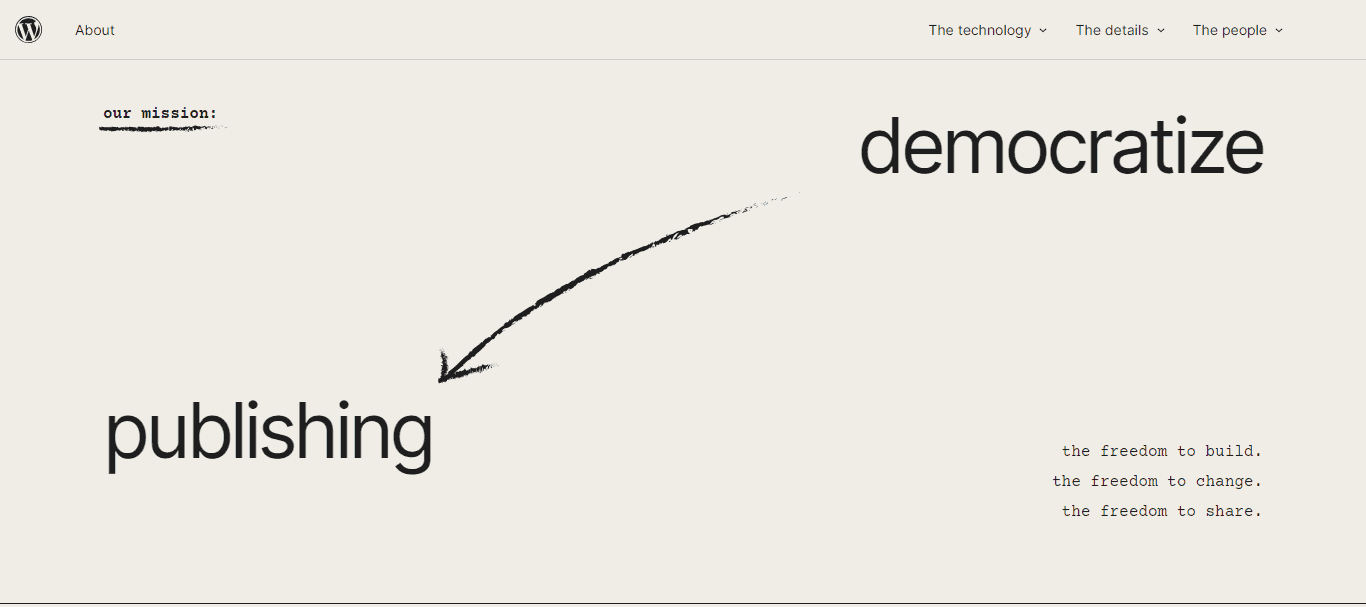
WordPress is also known for its strong SEO capabilities, making it a preferred choice for businesses looking to improve search engine rankings. Whether you’re a beginner or an experienced developer, WordPress provides the flexibility, scalability, and community support needed to build and grow a successful online presence.
Ceros vs WordPress: In-depth Comparison
Ceros and WordPress are two powerful platforms, each serving different content needs. Choosing between them depends on your design preferences, functionality needs, and budget. So, let’s compare their key features:
1. Web Design & Development Capabilities
Ceros excels in design and interactive elements, offering a drag-and-drop interface that makes it easy to create visually stunning content. Users can seamlessly add animations, videos, and graphics without coding knowledge, making it ideal for marketing and engagement-focused projects.

On the other hand, WordPress provides a more flexible framework with various themes and templates, allowing users to build anything from simple blogs to complex e-commerce stores. While achieving a unique design in WordPress may require coding or plugins, it offers greater customization and scalability.
Final Verdict: WordPress is the superior option if you need a more versatile platform for custom web development and extensive customization options.
2. Blogging Capabilities
When it comes to blogging, WordPress is the undisputed leader. Originally designed as a blogging platform, WordPress offers a comprehensive set of features, including categories, tags, post scheduling, comments, and built-in RSS feeds, making content management seamless.

Additionally, its vast library of SEO plugins help bloggers optimize their content for search engines, increasing visibility and traffic.
On the other hand, Ceros is more focused on creating interactive content, making it better suited for marketing campaigns rather than traditional blogging. While Ceros offers stunning design elements, it lacks essential blogging tools like structured content organization and SEO optimization.
Final Verdict: For anyone serious about blogging, WordPress is the superior choice. Its robust blogging features, SEO tools, and customization options make it the go-to platform for content creators looking to build and grow an audience.
3. Search Engine Optimization
When it comes to SEO capabilities, WordPress significantly outperforms Ceros. While Ceros does offer basic SEO features such as customizable URLs and meta tags, it lacks the advanced tools necessary for comprehensive optimization.

A WordPress site, however, provides full control over on-page SEO elements. It allows users to optimize titles, meta descriptions, and keyword usage to improve search engine rankings.
In addition, plugins like AIOSEO make it easy for users to optimize content, generate XML sitemaps, and implement schema markup. All this contributes to higher search engine rankings. WordPress also supports mobile optimization, fast-loading themes, and structured data.
Final Verdict: If SEO is a priority, WordPress is the clear winner.
4. Website Customization
Ceros allows for extensive customization of visual elements, making it ideal for creating interactive and engaging content. However, its customization options are primarily design-focused, with limited flexibility in terms of additional functionality.
WordPress offers unparalleled customization through thousands of themes and plugins. It allows users to build any website. Whether you need custom landing pages, membership sites, or advanced integrations, WordPress also provides the tools to tailor your site to meet specific business needs.
Furthermore, WordPress users can modify code, integrate third-party applications, and enhance website performance with various optimization plugins.
Final Verdict: WordPress website platform, with its vast selection of themes, plugins, and coding flexibility, is the best option for users who want full control over their website’s design and features.
5. Security and Speed Optimization
Ceros provides built-in security features, which help safeguard content from potential vulnerabilities. However, since Ceros operates as a cloud-based platform, users have limited control over hosting, security settings, and performance optimization. Also, while Ceros offers some security protections, it lacks WordPress’s flexibility and control for optimizing security and speed.

In contrast, WordPress offers extensive security measures through various plugins like Wordfence and Solid Security, enabling users to protect their sites from malware, brute-force attacks, and other cyber threats.
WordPress also allows users to choose their hosting provider, which means they can implement advanced security measures, such as firewalls, SSL certificates, and automated backups.
When it comes to website speed optimization, WordPress stands out with caching plugins and Content Delivery Networks (CDNs) that ensure faster load times and better website performance.
Final Verdict: WordPress is the better choice for website security and performance optimization.
6. Ceros Pages vs WordPress Pages
Ceros pages are designed for highly interactive and visually rich experiences. With its drag-and-drop interface and animation features, Ceros allows users to build immersive pages without coding expertise. However, these pages are often limited in functionality beyond design and may not be the best fit for websites that require structured content management or advanced features.
WordPress excels in versatility and allows users to create various pages. With themes and plugins available, WordPress pages can be customized to meet specific needs, whether it’s for SEO, lead generation, or customer interaction. Additionally, WordPress provides better scalability, allowing websites to grow and expand their features over time.
Final Verdict: If you aim to create highly interactive, design-driven pages for marketing purposes, Ceros is a strong choice. However, for a more flexible, functional, and scalable website—WordPress is the superior option.
Read: Top Proactive WordPress Maintenance Strategies to Prevent Downtime
7. Learning Curve and Support
Ceros is designed with a user-friendly interface that requires minimal technical knowledge. Its relatively low learning curve allows users to get started with little training. However, while Ceros is easy to use, it lacks the depth and flexibility needed for building comprehensive websites.
WordPress also has an easy learning curve. Navigating the WordPress dashboard, managing the extensive plugin ecosystem, and customizing themes is simple to master. Once learned, WordPress provides unparalleled flexibility and control over website design and functionality. Plus, with millions of users worldwide, finding solutions to technical issues is easier compared to proprietary platforms like Ceros.
Final Verdict: While Ceros is simpler to use, WordPress is the better long-term investment. Its vast support community, extensive learning resources, and flexibility make it the ideal choice for those willing to invest time in mastering the platform.
Know more: WordPress Security Mistakes You Must Avoid to Protect Your WordPress Site
8. Cost Considerations for Small Businesses
Ceros operates on a subscription-based pricing model, which can be expensive, especially for startups and small businesses with limited budgets. While it offers impressive design capabilities, the cost may not justify the investment for those who need a more functional, long-term website solution. Additionally, since Ceros is a cloud-based platform, users must continue paying for access, making it a recurring expense.
In contrast, WordPress is a more budget-friendly option. The platform itself is free to use, and businesses can choose from a vast library of free and premium themes and plugins to enhance their website. Users only need to pay for web hosting, domain registration, and optional premium features, allowing for greater financial flexibility.
Unlike Ceros, WordPress does not lock users into a subscription model, making it a more cost-effective choice for small businesses that want to scale affordably.
Final Verdict: WordPress is the superior option for businesses looking for an affordable, scalable, and feature-rich platform. Its free core software, combined with flexible pricing for add-ons, makes it the best choice for small businesses aiming to grow without high recurring costs.
Check out: Hidden Costs of a Poorly Developed WordPress Site and Its Impact on Your Business
Conclusion
Ceros and WordPress serve distinct purposes, making the right choice dependent on your content goals and business needs. Ceros excels in creating visually stunning, interactive experiences, making it ideal for marketing and design-driven projects. However, it lacks the flexibility and functionality needed for long-term website growth.
WordPress, with its robust SEO tools, blogging capabilities, and extensive customization options, is the superior choice for businesses seeking scalability and control. It also offers a cost-effective solution with a vast support community. Ultimately, if you need a well-rounded, adaptable platform for long-term success, WordPress is the better investment. Choose wisely!
FAQs for Ceros vs WordPress
Is WordPress better than Ghost for SEO?
Yes, WordPress offers more SEO tools and plugins than Ghost, making it a better choice for optimizing search rankings.
Is Ceros like Figma?
No, Ceros focuses on interactive content creation, whereas Figma is a UI/UX design tool.
Can you create WordPress ceros pages?
No, you cannot directly create Ceros pages within WordPress, as they are two separate platforms with different functionalities. However, you can embed Ceros content into a WordPress site using an iframe or by exporting Ceros experiences as HTML and integrating them into WordPress pages.
Is WordPress still relevant in 2025?
Yes, WordPress continues to evolve with new features and remains one of the most popular CMS platforms globally.