

Digital asset management (DAM) is key to storing, organizing, and easily accessing digital files. These systems centralize assets like images, videos, and documents, boosting productivity and maintaining brand consistency. In this article, we have covered everything about digital asset management (DAM) solutions, including their features, benefits, and real-world applications.
TL;DR: Why Digital Asset Management Matters?
- Digital Asset Management centralizes images, videos, documents, audio, and emerging media into one organized system for easy access and control.
- It improves collaboration, speeds up content discovery with advanced search and metadata tagging, and ensures consistent brand usage.
- Modern DAM platforms support headless and hybrid architectures, AI tagging, workflow automation, and integration with CMS and marketing tools.
- Secure access controls, compliance features, analytics, and ROI tracking help organizations scale content operations efficiently and future-proof their digital strategy.
What is Digital Asset Management (DAM)?
Digital Asset Management (DAM) is a sophisticated system for organizing, accessing, and distributing digital files. It ensures all assets are stored centrally and are easily accessible. This central repository helps companies streamline processes and maintain a consistent brand image across platforms.

Unlike a brand asset management software, a DAM system centralizes all digital content, including images, videos, documents, and audio files.
It simplifies the management of digital assets, enabling their efficient creation, archiving, repurposing, and manipulation. This enhances productivity and ensures brand assets are readily available and properly managed.
Read about: Best Ways to Change WordPress Colors
Key Benefits of Digital Asset Management Systems
A primary benefit of digital asset management systems is providing teams with access to correct brand materials. This helps maintain a consistent and professional image across platforms. Other benefits include:
- DAM tools improve cross-departmental collaboration. A centralized repository enables easy resource sharing, resulting in cohesive, efficient workflows. Centralizing digital assets also reduces the time spent searching for files, enhancing efficiency and aiding effective asset management.
- Automating repetitive tasks is another benefit that enables creative and marketing teams to focus on core activities rather than administrative tasks.
- Digital asset management platforms support metadata management, ensuring easy access to the right assets. Automating metadata tagging and using advanced search capabilities streamlines the process of locating relevant assets, boosting productivity and ensuring consistent usage.
Know more: Master the Art of Triadic Color Palettes
Top Digital Asset Management Tools
Here’s a brief overview of some of the top DAM tools available:
Brandy
Brandy stands out as a top choice for brand and digital asset management due to its simplicity and effectiveness in maintaining brand consistency.
It provides a centralized platform for users to easily store and access brand assets, such as logos, fonts, and color palettes.
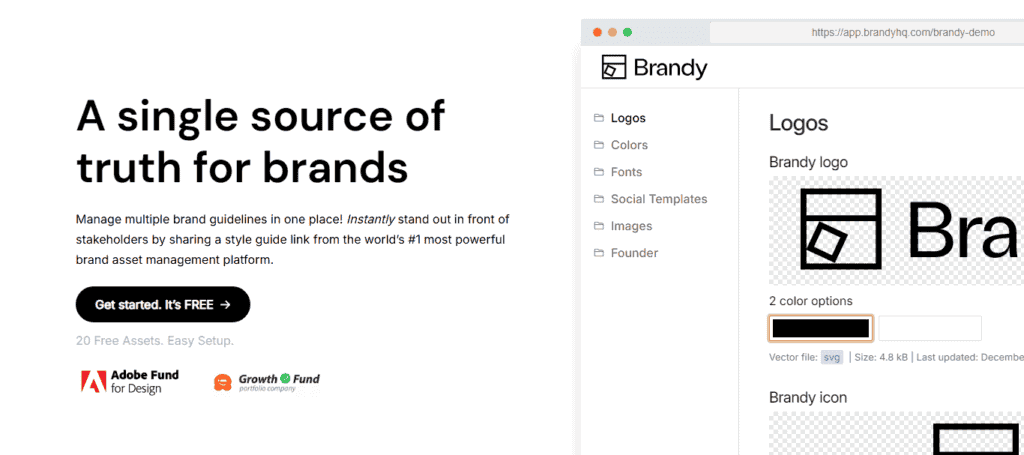
Its intuitive interface enables effortless asset tagging and powerful search, ensuring team members can quickly find and use the necessary assets.
The tool also supports team collaboration by enabling users to share assets with stakeholders and maintain a cohesive brand identity across various channels and projects.
Start Effortless Brand Management Today
Check out this demonstration of Brandy’s digital asset management capabilities to learn how Brandy can revolutionize your DAM strategy!
Aprimo
Aprimo is a comprehensive DAM solution designed for enterprise-level organizations. It offers advanced capabilities that support complex marketing operations, including workflow automation, digital rights management, and extensive integration with other marketing technologies.

Aprimo’s flexible platform allows users to customize workflows to meet specific business needs while ensuring compliance and brand governance. This makes Aprimo an excellent choice for companies looking to enhance their marketing efficiency at scale.
Extensis
Extensis is known for its focus on versatility and user-friendliness, making it a preferred choice for creative teams managing large volumes of digital media.
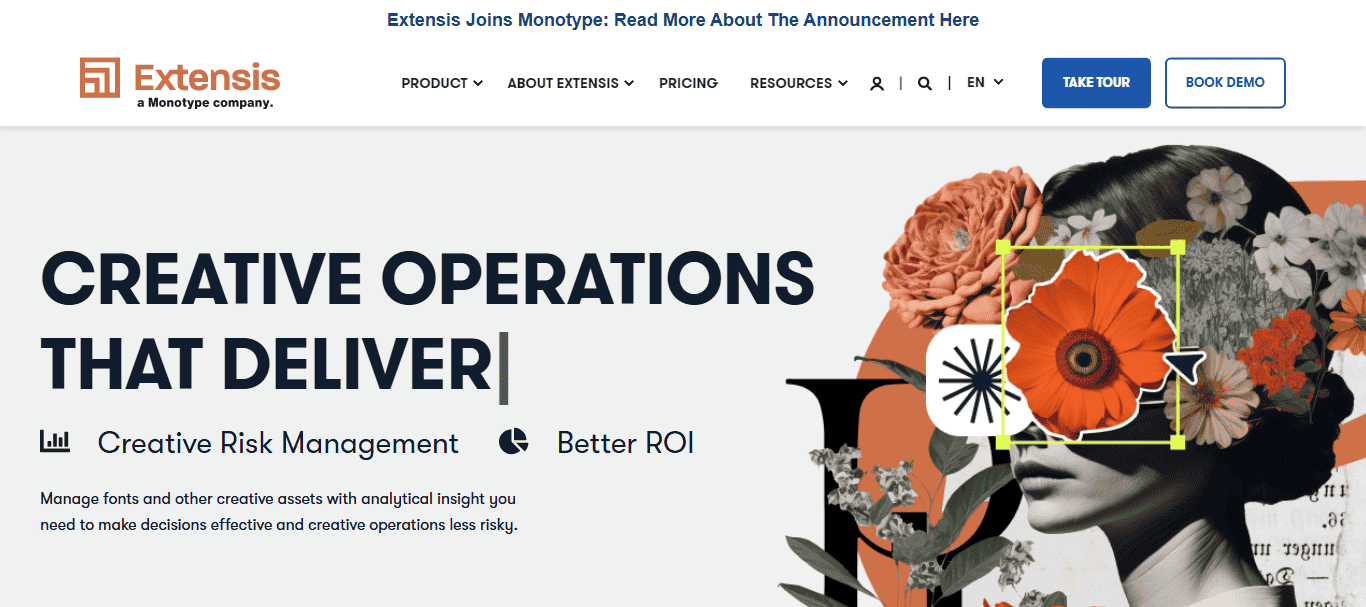
It provides a dynamic platform for organizing, storing, and retrieving digital assets through user-defined metadata tagging and efficient search functionalities. With customizable workflows, Extensis enables teams to tailor their processes to align with their creative projects.
IntelligenceBank
IntelligenceBank offers an innovative solution by merging digital asset management with compliance and marketing operations.
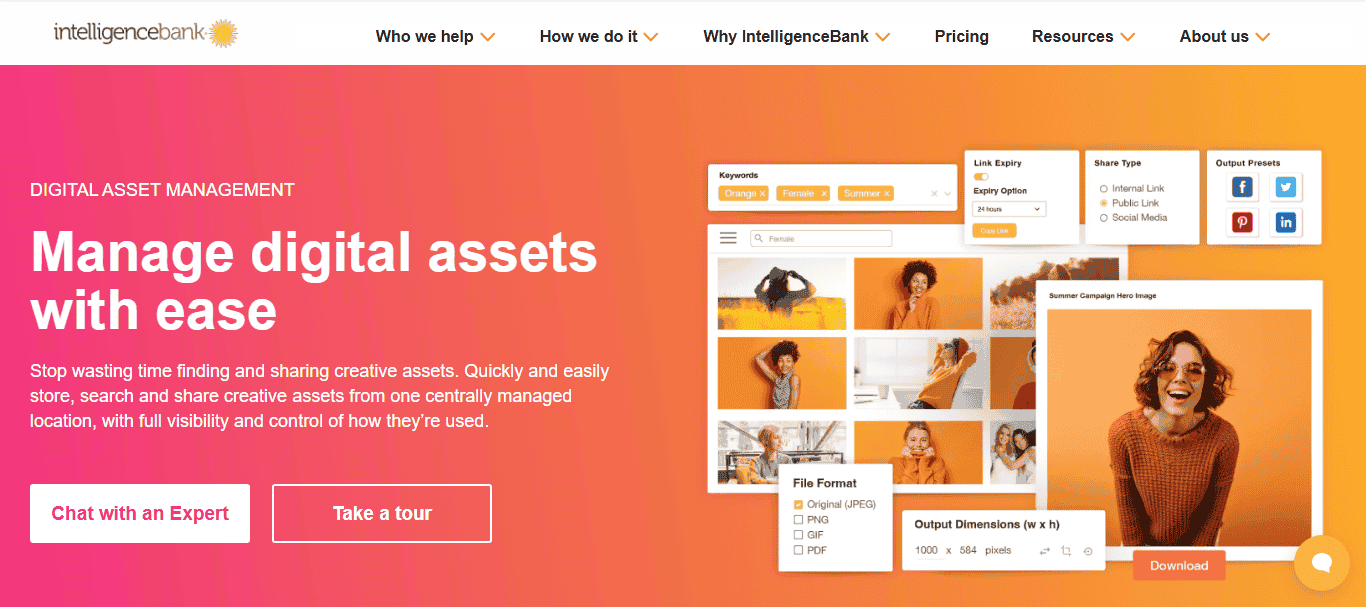
It provides tools for organizing and distributing digital assets while maintaining stringent governance and compliance standards. IntelligenceBank’s customizable dashboards and reporting features allow businesses to gain insights into asset usage and effectiveness.
Industries with strict regulatory requirements, such as healthcare or financial services, also benefit from IntelligenceBank’s compliance workflows. This ensures that all marketing materials adhere to industry regulations while preserving brand integrity.
Acquia DAM (Widen)
Acquia DAM, formerly Widen, is a scalable cloud-based platform that emphasizes integration and collaboration.

It offers a suite of features for organizing, managing, and analyzing digital assets, making it suitable for businesses looking to enhance their content workflows.
Acquia DAM’s robust integration with other Acquia products and third-party applications also streamlines content creation and distribution, fostering better collaboration across teams.
How DAM Software Works?
Comprehensive digital asset management software features a centralized repository, which is essential for efficient management and access.
Organizing assets by campaigns, product lines, or departments enhances usability, making navigation and retrieval easier. This structured approach to metadata and tags is crucial for effective asset management.
Advanced search capabilities are a hallmark of effective DAM systems. For example, Wedia’s DAM enhances search with AI auto-tagging, metadata, text extraction, emotion analysis, and face recognition.
Similarly, Hyland’s Nuxeo uses AI-powered auto-tagging and detailed taxonomies for optimized search. These features help users quickly locate needed assets, avoiding duplication and improving efficiency.
DAM software often includes intuitive tagging and categorization features, ensuring authorized access and consistent brand representation. DAM systems maintain brand integrity and streamline workflows across departments by allowing users to quickly find original assets.
Headless and Hybrid DAM Architectures
As organizations adopt more complex workflows and distribute content across various channels, headless DAM and hybrid DAM systems have emerged as transformative solutions in the landscape of top digital asset management software.
These new architectures offer greater flexibility for developers and marketing teams seeking seamless integration across platforms.
Headless DAM
It refers to a backend-only system that delivers content and digital media files through APIs, allowing businesses to design custom frontends and experiences, and unlike traditional DAM systems that include a user interface, headless solutions separate content storage from presentation, making them ideal for omnichannel environments such as e-commerce platforms, mobile apps, digital kiosks, and even IoT devices.
Hybrid DAM
Hybrid DAM systems combine the scalability of cloud storage with the control of on-premise deployment. This approach suits organizations managing sensitive or regulated visual assets while benefiting from cloud-based asset sharing and remote collaboration.
Key Benefits of Headless and Hybrid DAMs:
- Scalability & Flexibility: It easily integrates with CMS platforms such as WordPress or Drupal, allowing approved assets to be published across various digital touchpoints.
- Future-Ready Architecture: Support emerging technologies like AI tagging, AR/VR interfaces, and customized user experiences.
- Seamless Integration: Connect to other tools, such as project management software, analytics platforms, and brand management tools, to streamline the creative process and enable cross-functional efficiency.
When to Use:
Organizations with highly dynamic content demands, omnichannel distribution strategies, or custom development teams can benefit from implementing a headless digital asset management system.
Similarly, businesses in regulated industries or those needing both internal control and external scalability may find hybrid DAMs ideal for balancing security and accessibility.
Types of Digital Assets Managed by DAM Solutions
These systems are essential for creative and marketing teams who need reliable access to a wide range of media to ensure brand consistency and support marketing efforts. Below are the types of digital assets typically managed by DAM solutions:
- Images: Includes product images, branded graphics, and logos. This is essential for maintaining visual brand consistency across campaigns.
- Videos: DAM systems support the storage, creation, and distribution of video content.
- Documents: It manages various document types like PDFs and creative templates. This is crucial for producing marketing materials and supporting e-commerce activities.
- Audio Files: It supports traditional media formats and diverse business needs, with efficient management and access.
- Other Digital Media: It encompasses any additional media types the organization requires. Thereby, ensuring all content is centrally stored and easily accessible.
Having a centralized, well-organized repository for all digital assets enhances an organization’s efficiency and productivity. It ensures that digital content is readily available and properly managed.
Find out: Best Shared Hosting for Small Business
Managing Emerging Digital Asset Types: 3D, AR, VR, and 360° Media
While traditional DAM systems focus on images, documents, and videos, modern enterprises increasingly manage emerging asset types such as 3D models, augmented reality (AR) files, virtual reality (VR) simulations, and 360-degree visual assets.
These asset types support rich user experiences and immersive storytelling across marketing, training, and e-commerce applications.
These innovative formats require robust asset management systems to efficiently store, preview, edit, and distribute heavy and complex files. A standard DAM solution without advanced features tailored for next-gen media may not support these needs.
Essential Capabilities for Emerging Asset Types:
- File Rendering & Preview: DAM software must offer built-in support for rendering and previewing AR/VR content, 3D models, and interactive digital media files within the platform.
- Custom Metadata Fields: For effective asset creation and retrieval, fields such as polygon count, texture maps, interaction scripts, and VR compatibility should be included.
- Collaboration & Version Control: Support for asset revisions is crucial during the iterative design of 3D content. It ensures creators and stakeholders have access to the latest, approved assets while maintaining previous versions for reference.
Why It Matters:
- Boosts Product Visualization: In retail and real estate, 3D and 360° assets help customers explore products virtually, enhancing engagement.
- Enhances Brand Storytelling: AR filters and immersive VR campaigns can strengthen your consistent brand identity and bring storytelling to life.
- Supports Training and Education: VR simulations are becoming vital tools in healthcare, manufacturing, and aviation industries.
Organizations must evolve their DAM strategy to include these asset types to stay competitive in a digital-first world. Investing in DAM solutions that handle complex workflows and next-gen content formats ensures long-term adaptability and enhanced brand consistency.
Essential Features of a Robust DAM Platform
A robust digital asset management platform incorporates key features to ensure the effective management and accessibility of digital assets. Each feature plays a critical role in enhancing the DAM platform’s usability and efficiency.

Centralized Library
A centralized library for digital assets reduces duplication and enhances workflow efficiency. For example, KIND Snacks organizes its creative assets effectively using a structured folder system and controlled vocabulary for tagging.
This approach ensures all digital assets are stored in a single repository, making them easily accessible and manageable.
A centralized library is a single platform for all digital assets, improving accessibility and management. IT departments benefit from this approach as it simplifies asset tracking & retrieval, enhances productivity, and ensures all digital content is well-organized and accessible.
Advanced Search Capabilities
Advanced search capabilities streamline the process of locating relevant digital assets, making it easier for users to find what they need quickly and efficiently. Integrating artificial intelligence into DAM can automate tasks such as metadata generation, further improving search accuracy and efficiency.
Advanced search features enhance user experience by facilitating quicker access to digital assets. This is particularly important for large organizations handling vast amounts of digital content, ensuring users can access the right assets without unnecessary delays.
Collaboration Tools
Digital asset management software and collaboration tools enhance workflow and communication among teams and external partners.
For example, Adobe Experience Manager Assets streamlines collaborative processes for marketers and creatives, while CELUM supports file sharing, custom workflows, and task automation, enhancing team collaboration.
DAM software provides access to brand assets for all team members and allows user account management, ensuring only authorized users can access or edit specific assets.
Features such as real-time file editing and version control enable creative and marketing teams to collaborate effectively, resulting in more efficient, cohesive workflows.
Choosing the Right DAM Solution for Your Organization
Selecting the right digital asset management solution involves evaluating factors to ensure the platform aligns with your specific needs and workflows. This process includes assessing organizational needs, evaluating key features, and comparing vendors.
Assessing Organizational Needs
Assessing organizational needs is a critical first step in choosing a DAM solution. Organizations handling high volumes of digital assets require robust solutions to manage and streamline access to their content.
Evaluating asset management needs based on usage frequency and team involvement helps identify the right tools and processes for effective management.
A practical assessment ensures alignment with operational requirements, allowing organizations to select a DAM solution that meets their unique workflows and enhances productivity.
Evaluating Key Features
When evaluating key features of a DAM platform, scalability is essential. A scalable DAM system allows businesses to grow without losing asset organization.
Flexible storage options and the ability to scale capacity as asset demands grow are crucial features to consider.
User-friendly navigation and a modern interface enhance the user experience, making it easier to access and manage digital assets, leading to more efficient workflows and greater productivity.
Vendor Comparison
Comparing different DAM vendors involves evaluating features, integrations, scalability, and user experience to ensure the chosen platform meets your organization’s needs.
For example, Adobe Experience Manager Assets integrates seamlessly with Adobe Creative Cloud and Workfront, offering functional capabilities for creative teams. Similarly, Brandy supports integrations with creative applications and content management systems, including Microsoft and Google Apps.
Gather information about the vendors’ onboarding training and sessions to ensure a smooth transition to their platform. Reading peer reviews and analyzing case studies can provide valuable insights into the performance and satisfaction levels of different DAM solutions.
Integrating DAM with Existing Workflows
Integrating a digital asset management platform with existing workflows enhances coordination and usability across digital assets. Combining it with other business tools streamlines workflows, reduces manual file management, and maximizes ROI.
Automation through DAM integrations minimizes errors by ensuring the use of current digital assets, enhancing workflow efficiency.
Integrating DAM with project management tools links tasks directly to assets, improving workflow visibility and coordination. Custom API integrations provide tailored solutions for specific organizational needs, ensuring seamless integration and enhancing productivity.
Effective collaboration can be further improved through integration with communication and file-sharing tools. This enables better asset management and ensures all team members are on the same page. This leads to more efficient workflows, enhancing the organization’s performance.
Real-World Examples of DAM Implementation
Real-world examples of DAM implementation provide insights into how organizations leverage these systems to manage their digital assets effectively.
Coca-Cola’s Approach to Digital Asset Management
Since 2020, Coca-Cola has implemented a comprehensive digital asset management strategy to centralize its vast array of marketing materials.
This approach enables Coca-Cola to organize, store, and distribute assets across its global network, ensuring brand consistency and alignment with company guidelines.
Telefónica’s DAM Strategy
Telefónica, a major telecommunications company, manages over 1,200,000 digital assets across its system, overseeing them for 19 brands.
This large number of assets requires a robust, efficient DAM system to ensure proper management and accessibility.
Telefónica’s DAM strategy demonstrates how a well-implemented DAM solution supports large-scale asset management, enhances productivity, and ensures brand consistency across multiple brands and marketing campaigns while focusing on brand management.
This example underscores the importance of choosing a DAM platform that can handle high volumes of digital assets and support complex organizational needs, especially given the variety of DAM platforms.
Ensuring Security and Compliance in DAM Systems
Security and compliance are essential to digital asset management (DAM) systems, as they help protect sensitive content and prevent unauthorized access. Here are key measures to ensure these elements are robustly implemented in DAM systems:
- User Access Controls: DAM systems manage security more effectively by setting precise user access controls. Organizations can also limit who can view or edit specific assets, preventing unauthorized access.
- Granular Access Management: It provides detailed control over user permissions within the DAM system. Thus, ensuring that sensitive information is securely handled and only accessible to appropriate personnel.
- Compliance with Regulations: DAM systems must comply with regulations like GDPR by enabling users to access, update, or delete their data upon request. This compliance ensures that organizations adhere to necessary legal and regulatory requirements.
- Regular Data Backups and Disaster Recovery Plans: Organizations should regularly back up data and maintain comprehensive disaster recovery plans. These practices safeguard against data loss and enhance DAM systems’ overall security and compliance posture.
- Security Audits: Conducting security audits helps identify and address vulnerabilities within DAM systems. These audits ensure that robust protection measures remain in place and effective.
- User Training and Awareness: Providing user training and raising awareness are crucial for reducing human-error-related risks. Ensuring all users understand the importance of security and compliance helps maintain the integrity of digital asset management.
Also read: Boost Your Site Speed with the Best LCP WordPress Plugins
Measuring the ROI of Your DAM Investment
Measuring your digital asset management system’s return on investment (ROI) is essential for justifying the investment and understanding its impact on your organization.
Reporting and analytics within DAM systems help organizations evaluate asset performance and user engagement, providing valuable insights into how digital assets are being utilized.
The integration of analytics enables performance tracking of digital assets, enabling organizations to make data-driven decisions to enhance overall productivity and savings.
Advanced DAM systems provide detailed data on platform and asset usage, which is crucial for tracking ROI.
For example, Adobe Experience Manager Assets identifies high-ROI content, aiding performance monitoring and optimization. Similarly, Aprimo assists managers in monitoring content design, creation, and distribution costs and performance, enabling strategic decisions that drive efficiency and cost savings.
By effectively measuring performance and costs, organizations can ensure that their DAM investment delivers the desired results, ultimately enhancing their overall productivity and achieving significant cost reductions.
Future Trends in Digital Asset Management
The future of digital asset management (DAM) is being significantly influenced by technological advancements, driving notable improvements in how organizations manage their digital assets. Key trends that are shaping the future of DAM include:
- AI-Driven Asset Tagging: AI-powered asset tagging is becoming a standard feature in DAM systems. This technology enhances the efficiency of organizing digital content by automating metadata management, reducing the need for manual tagging, and improving overall productivity.
- Real-Time Collaboration Tools: Real-time collaboration tools transform how teams interact with digital assets. These tools enable immediate updates and feedback, facilitating seamless communication and collaboration and enabling team members to work together more effectively.
- Enhanced Analytics Capabilities: Advanced analytics features provide deeper insights into asset performance and user engagement. These capabilities enable organizations to make data-driven decisions, optimizing their digital content strategies for better outcomes.
- Staying Competitive: As the digital asset management industry evolves, organizations must keep pace with these rapid advancements to remain competitive. By adopting the latest DAM technologies and best practices, organizations can ensure that their asset management systems meet evolving needs and drive business success.
Summary
In summary, digital asset management systems are essential tools for organizations looking to streamline their digital content management, enhance collaboration, and maintain brand consistency.
From understanding the basics of DAM to exploring key benefits, essential features, and real-world implementations, this guide provides a comprehensive overview of digital asset management.
As we move forward, the importance of choosing the right DAM solution, ensuring security and compliance, and measuring the ROI of your DAM investment cannot be overstated.
By staying informed about future trends and advancements in DAM technology, organizations can continue to optimize their digital asset management strategies and achieve greater success. Embrace the power of DAM and take your digital content management to new heights.
FAQs About Digital Asset Management
What are the key benefits of using a DAM system?
A DAM system helps streamline asset management and enables it from a central hub. Marketing managers can organize marketing and media assets across multiple channels and digital platforms. Teams reuse assets, support multi-channel distribution, and track content usage. This improves operational efficiency, enables cross-team collaboration, and often leads to reduced production costs and stronger sales efforts.
How does DAM software work?
DAM software stores files in a centralized library with a user-friendly interface. It uses metadata, natural language search, visual search, and AI visual search with facial recognition to find content fast. Robust version control keeps assets updated. It also integrates with existing tools and creative tools to strengthen content management processes and overall DAM capabilities.
What types of digital assets can be managed by DAM solutions?
Top DAM solutions manage images, videos, documents, audio, and other media assets. They also support marketing assets for digital channels and multi-channel distribution. Advanced platforms handle 3D, AR, and VR files. This gives teams complete control and makes it easier to reuse assets across campaigns.
How can organizations ensure security and compliance in DAM systems?
Use access rights management to define who can view, edit, or share files. Enable audit trails, robust version control, and regulatory compliance workflows. Regular backups and monitoring protect sensitive marketing assets and maintain complete control.

